

MAHA Is Helping To Run U.S. Mental Health Policy
U.S. Health and Human Service Secretary Robert F. Kennedy has an antidepressant agenda; Laura Delano's Inner Compass Initiative takes center stage in federal mental health policy.

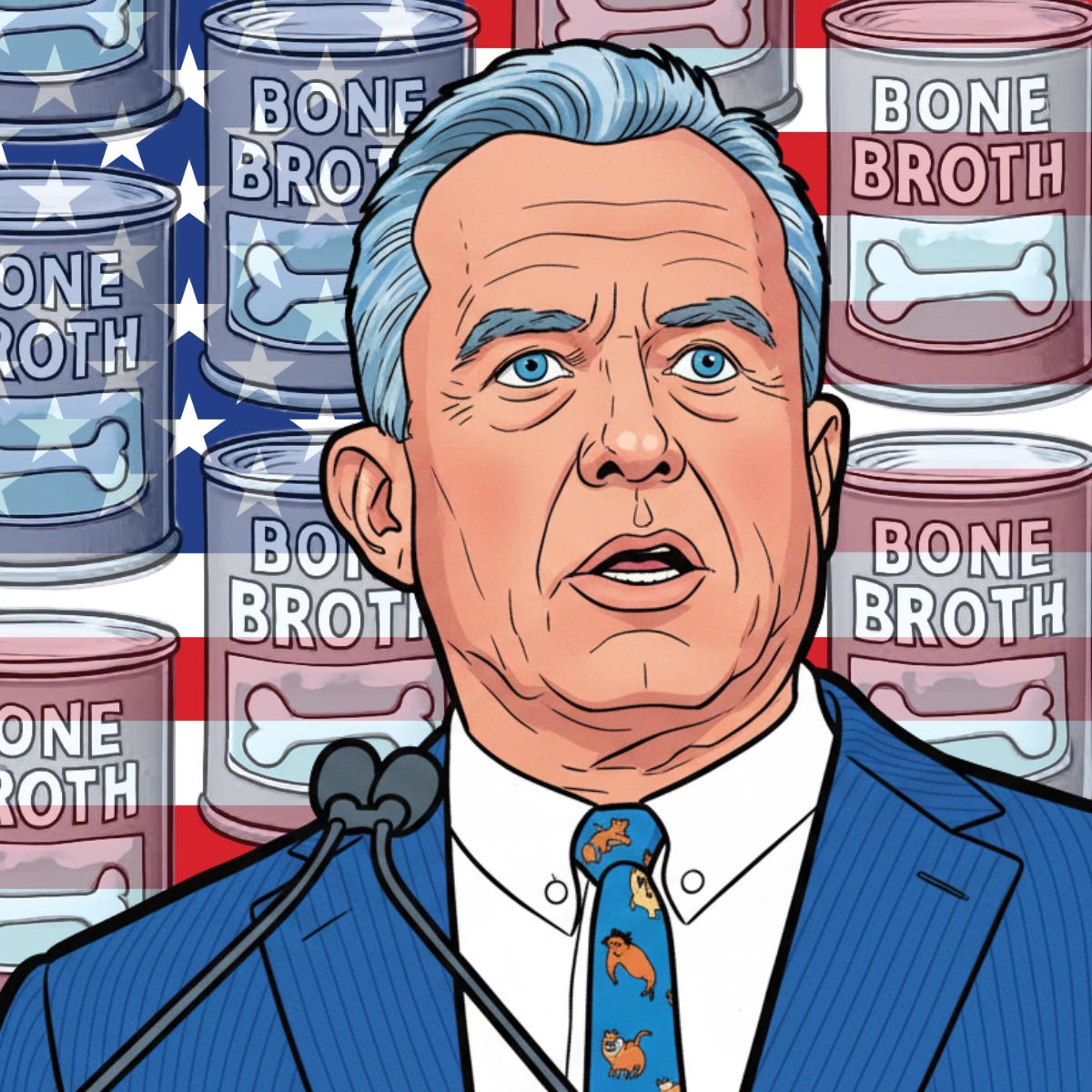
Earlier this month, the MAHA Institute held a “Mental Health & Overmedicalization Summit” with sessions on the “overmedicalization of childhood” and “informed choice and building off ramps” for psychiatric drugs—all the kind of topics you’d expect from a full-day of policy discussions.
But it would be wrong to mistake it as a run-of-the-mill think tank summit. Given the participants and the range of subjects, this was an unprecedented demonstration of the depth to which the MAHA ideology has become integrated into the federal health administrative state. All the major government agencies responsible for key areas of mental health care were represented. The patron saint of MAHA himself, Health and Human Services Secretary Robert F. Kennedy Jr., announced new intiatives intended to help support “informed consent” and tapering of popular antidepressants like Lexapro and Prozac.
Message to readers: The Receptor is moving from Substack in the next few weeks. Paid subscribers will receive a message about their billing. More information coming soon!
Mark Gorton, the President of the MAHA Institute and an influential anti-vaccination advocate, welcomed participants to the summit and set the tone. “ The scientific foundation upon which psych meds are based is completely distorted,” he said, adding that pharmaceutical companies were using the same “playbook” that led to the opioid epidemic. He called out drug companies that funded research which was then used to influence policy outcomes.
“The hugely medicalized system that we think of as normal healthcare in the US was designed, built, bought, and paid for by profit-seeking corporations,” he said. “Our system of experts and leading physicians is a cathedral of lies.”
Other speakers included a range of psychiatric medication skeptics—some of whom were well known researchers—as well as people with lived experience. But there was no representation of opposing views or defenders of SSRIszA.
Notably, but perhaps unsurprisingly, the Inner Compass Initiative helped host the summit. Founded by Laura Delano, the author of “Unshrunk: A Story of Psychiatric Treatment Resistance,” the IMI has been involved in guiding policymaking for federal mental health services. In her remarks to the group, she spoke of her harrowing experience getting off of psychiatric medications. “Medicalization,” the idea that normal human suffering needs to be treated with drugs was damaging society and young people. She said:
Questioning medicalization isn’t about denying suffering, or denying that many people experience real benefit from psychiatric treatments, especially in the short term. It’s about asking what our culture has sacrificed by telling generations of Americans that being human is a disease.
This comment is telling: There’s a kernel of truth in what she’s saying, but it contains rhetorical statements (“that being human is a disease”) and vague claims (that psychiatric treatments help in “the short term”). At its core is the idea that mental illness is a social construct and that we’re being lied to—that’s a questionable message from the leader of an organization that, in the words of the organization’s Executive Director, Cooper Davis, “has been called upon by this administration, by agencies within HHS… to help inform mental health reform efforts.”
Kennedy Announces Push to Deprescribe Antidepressants
It’s no secret that our mental health care system has been designed to efficiently provide antidepressants, but not to help people discontinue them when the time comes. Not enough therapists are trained in “deprescribing” antidepressants and pharmaceutical companies have not invested in studying how to get off the drugs they sell. In addition, getting on the drugs is cheap; tapering them requires guidance from a medical professional, which can be costly since it takes multiple weeks to slowly wean themselves from them.
“Deprescribing is understudied, undertaught, and under-reimbursed,” Jonathan Slater, in STAT News
Kennedy claimed to want to do something about this. He announced “new clinician training programs, updated reimbursement mechanisms, and the development of clinical guidelines focused on deprescribing psychiatric medications,” according to the Pharmacy Times. In addition, and perhaps most significantly, the initiative calls for changes to insurance billing that would incentivize the development of pathways to deprescribe SSRIs.
Though they aren’t as “addictive as heroin,” as Kennedy would like us all to believe, SSRIs are legitimately difficult to stop—in fact, there’s an underground network of people who offer each other advice on tapering off drugs. Attempting to quit without tapering can lead to severe withdrawl effects, including flu-like symptoms, mood swings and other neurological issues.
“Deprescribing is understudied, undertaught, and under-reimbursed,” Jonathan Slater, a clinical professor of psychiatry at Columbia University Irving Medical Center, wrote in STAT News. “Drug companies have spent four decades funding trials showing that their medications work. Almost none have funded trials showing when and how to stop.”
Megan Cornish, who writes the Substack “Income & Outcomes” and has documented her own struggles of trying to get off of SSRIS, posted about the Kennedy announcement on LinkedIn, saying that, while she’s not a fan of the Health Secretary, he has identified a real problem. But not so much a good solution.
“Most prescribers aren’t trained on the latest research to help people come off antidepressants,” Cornish posted on LinkedIn. “Most people who try end up back on them within weeks because withdrawal and relapse look the same and nobody can tell the difference, including their prescriber.”
Kennedy has previously made ominous hints that he would like to ban SSRIs; just after he announced the new initiatives, Reuters broke a story about how his team had explored the potential of banning some of them. A spokesperson denied this.